On the shop floor
The parts list first, then the crane.
What something is made of is settled before anyone starts. Whatever is missing is on order before it holds things up.
Then your order does not start with an article but with the question of what is to be built. Jobtura runs manufacturing as a job type of its own, with parts list, dates, people and costs on one unit.
You set up your account yourself – registration opens in a new tab and needs a moment the first time. If you would rather know first whether we are a match, send us an enquiry, no obligation.
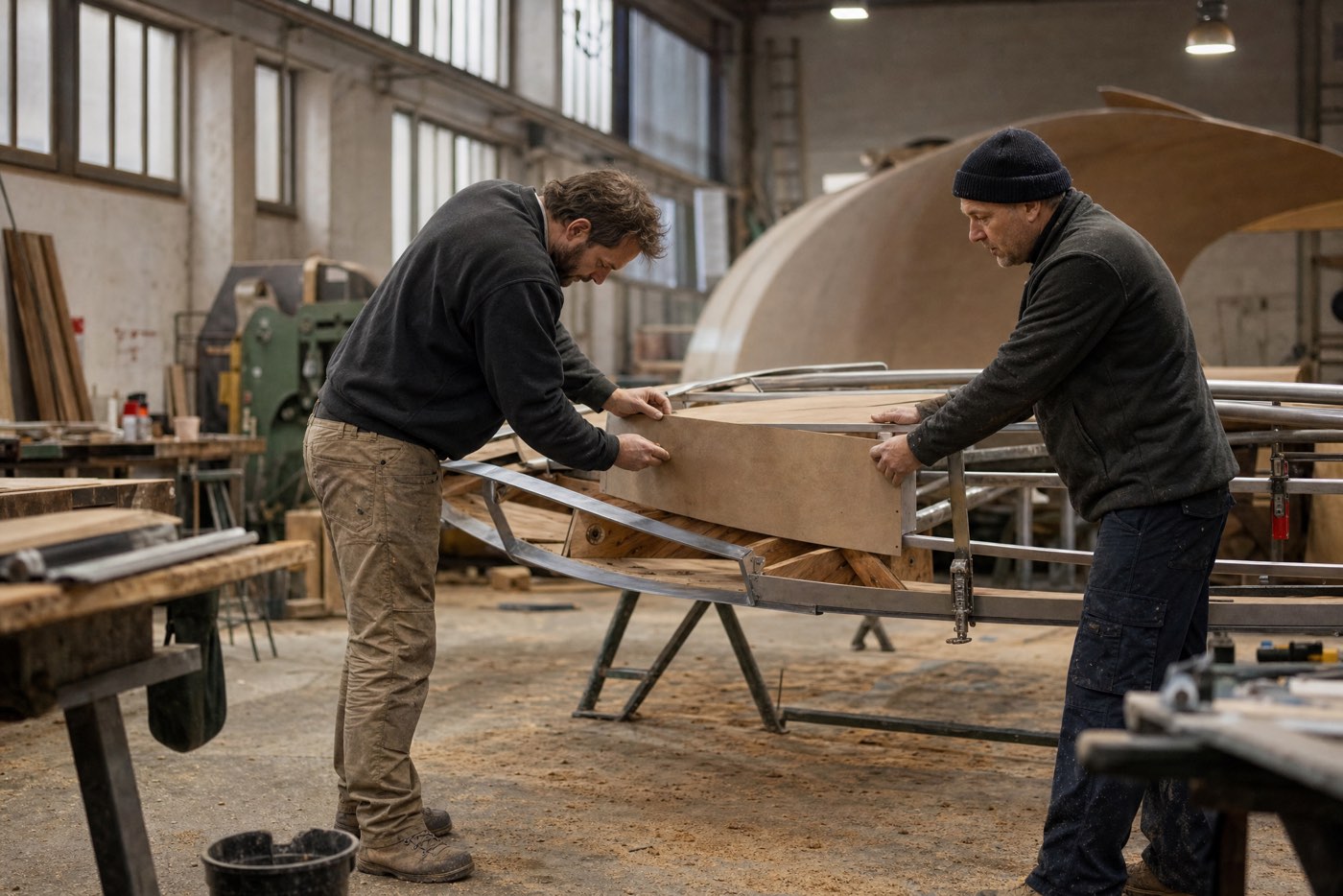 Stock photoMaterial, labour and time on one unit.
Jobtura · Assembly → Costing → Parts list
Stock photoMaterial, labour and time on one unit.
Jobtura · Assembly → Costing → Parts list
Three everyday steps that cost you time today, and how they run with Jobtura:
Between the order and the finished unit lies work that wants planning.
Set-up and installation are planned separately from the delivery. What has to be finished first is in the bar chart rather than in an arrangement.
The calculation over the margin shows which sales price yields which gross profit, including material costs and the hours for it.
Whoever worked on it books their time onto the job. A service sits next to the material as a line item type of its own.
What the product is made of is settled before the first move. Groups can be nested, and requirements turn into purchase orders.
Some products exist at first only in the head of the customer. A flight case to its own dimensions, a marquee in a particular configuration, an exhibition stand, a sales trailer, a machine.
A product can be described through groups, categories and attributes, plus variants and options. At the start there can be a product configurator with which sales, or the customer directly, puts together what is to be built.
For articles made up of several parts there are assemblies with their own parts list, and groups can be nested inside one another. That describes what the product is made of before anyone starts.
The costing comes out of that assembly. The calculation over the margin shows which sales price yields which gross profit, including material costs and the hours needed for it.
What is in the warehouse gets used. Stock arises from receipts, issues and transfers, and whatever is missing becomes visible as a requirement.
Every article carries several supply sources with purchase price, minimum quantity and lead time. The planned total sits next to the ordered one, so it stays clear what is still on its way.
The production type distinguishes how the costing works and which qualifications are needed. Who gets scheduled follows qualification and availability, and approved absences take effect on it immediately.
The bar chart lays jobs and line items across time. What has to be finished first so the next step can begin therefore becomes plannable rather than a matter of agreement.
Installation and set-up are planned separately from the delivery and have their own dates. The unit is finished before it goes to the customer, and the set-up there is a step of its own with its own date.
While the build runs, everyone involved books their time onto the job. A service is a line item type of its own and sits next to the material in the same job.
If work comes up that you do not carry out yourselves, it is kept as a special expense or bought in from a supplier. That too belongs to the figure that stands under the unit at the end.
And once the unit is finished it does not stop existing. If it carries a serial number it can be followed across its whole life history: sold, hired out, serviced, repaired. What you built stays findable.
Entered once, usable everywhere. No double entry.
And it carries on from there on the same job: quotes can be signed digitally, deposit, interim and final invoices follow from it, incoming payments and reminders hang on it, and at the end the data goes to the accounts.
Where spreadsheets stop, Jobtura carries on: stock levels, picking and scanning are built in. No extra tool needed.
Packing lists straight from the order. Tick off line by line, so nothing is forgotten and nothing is packed twice.
A live overview in the warehouse: which orders are due, what is packed, what is missing, on a screen right there.
Barcode and QR scanning by smartphone: book equipment, record withdrawals, check returns, in seconds.
Five quick questions, an answer straight away – then we both know whether this is a match.
Jobtura is not theory software. It has been in use for years with rental businesses, event technicians and service providers across Germany, built with the people who work with it every day.
 Stock photo
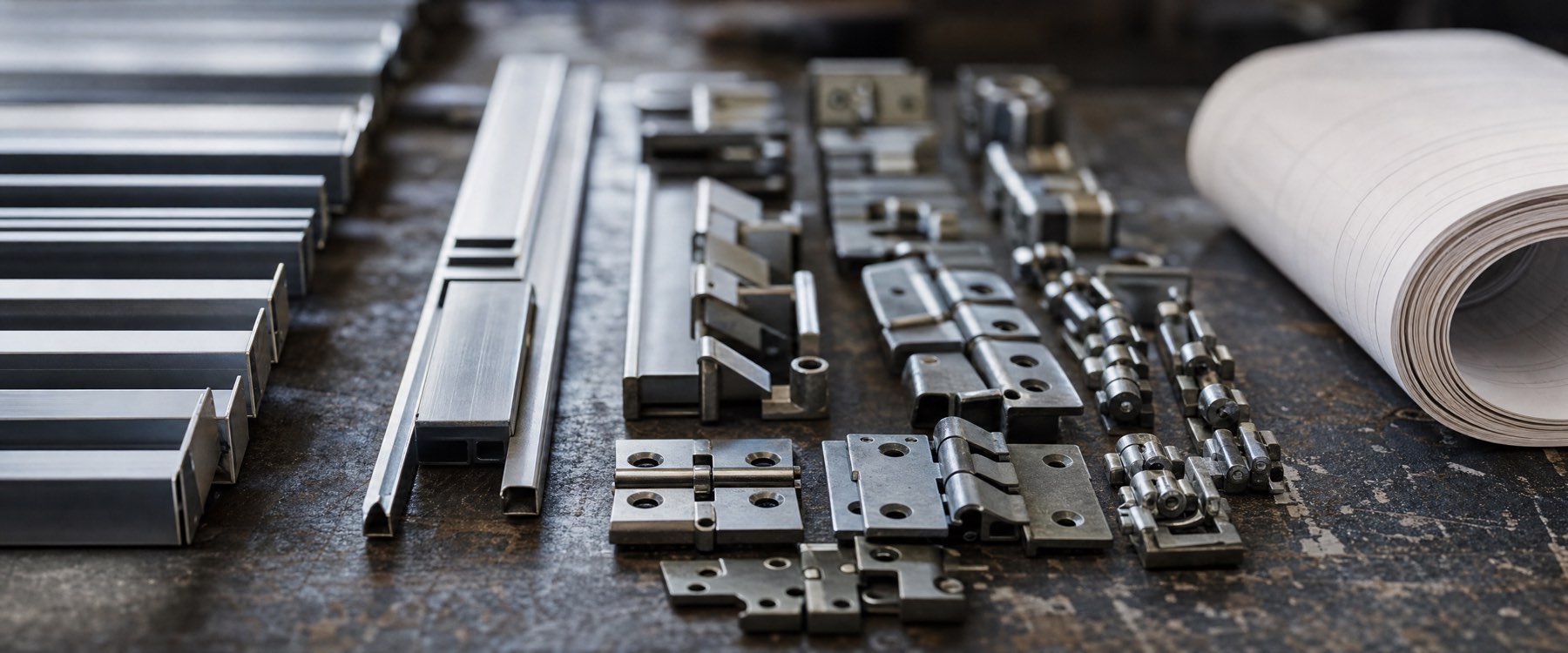
What something is made of is settled before anyone starts. Whatever is missing is on order before it holds things up.
Jobtura comes in two forms: as full rental software for businesses with a warehouse and equipment fleet, and as a lean cloud entry for small teams.
The full ERP software for rental, sales & service. That is this page.
Jobtura as a Service , the lean cloud entry for small teams.
And the two belong together: JaaS also works as an app alongside Sales & Rent. You can just as well use only the app, or only Sales & Rent. And where the software runs is your call: in our cloud, on your own server, or on a machine in your own building.
ERP and inventory software for Rental · Sales · Service. You start lean with what you need and add more as you grow: